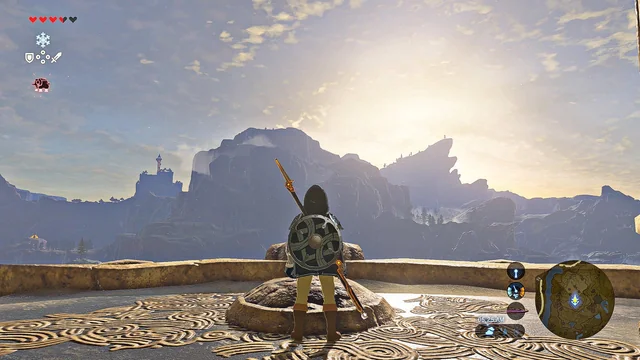
Striving for perfect photorealism in 3D graphics and game development today is asking for a real disaster. For years, big studios have been feeding us the idea that we need physically accurate lighting, millions of polygons for a single glint in the eye, and a perfect water simulation. But the truth? The obsession with this technical perfection will likely eat you alive today. We all know by now that pushing pixels to absolute realism is actually pretty boring (and also a disproportionately expensive trap).
What if abandoning this perfection is exactly the key to ensuring your game or animation even survives?
Spider-Verse and Pizza Time
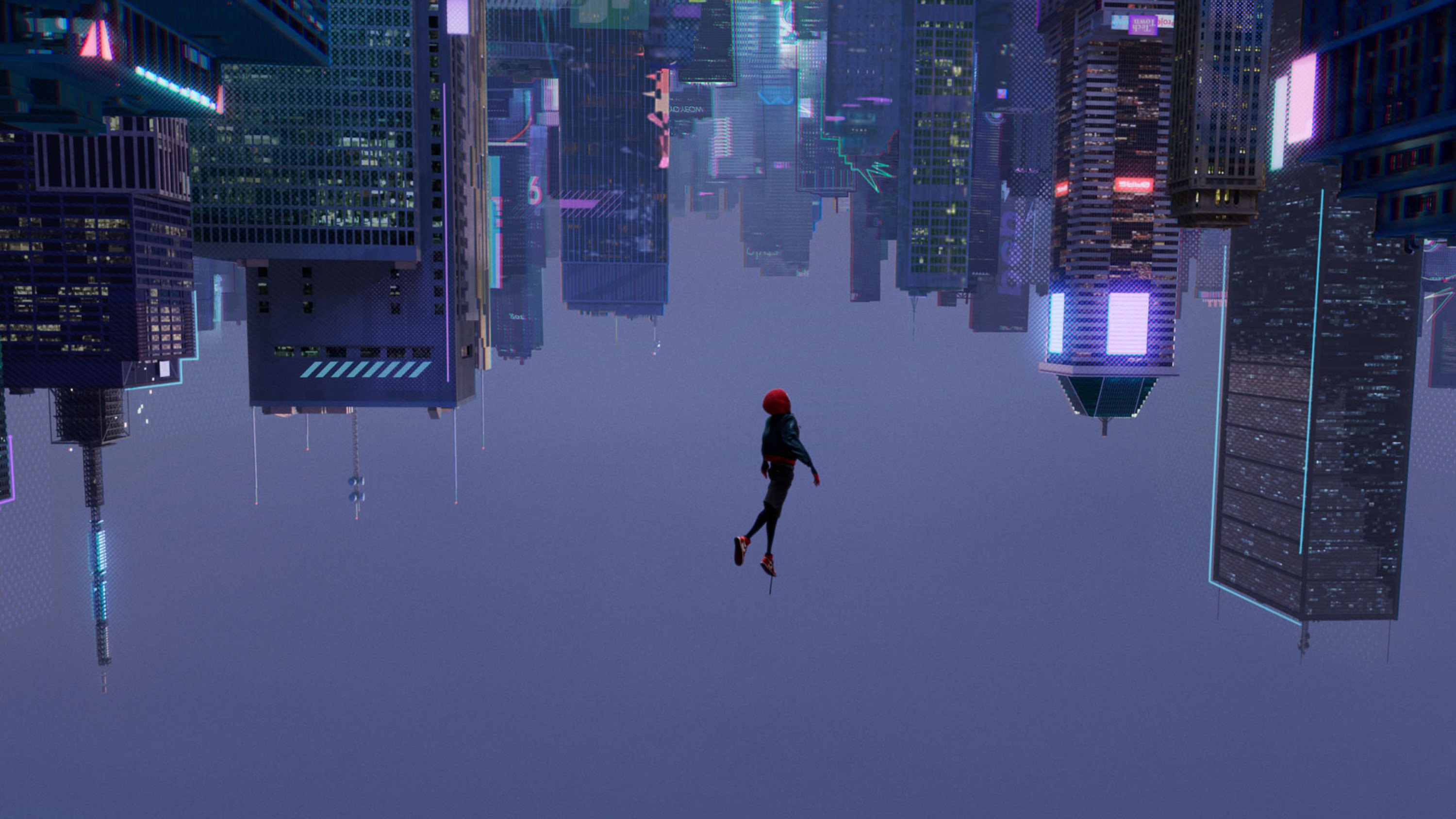
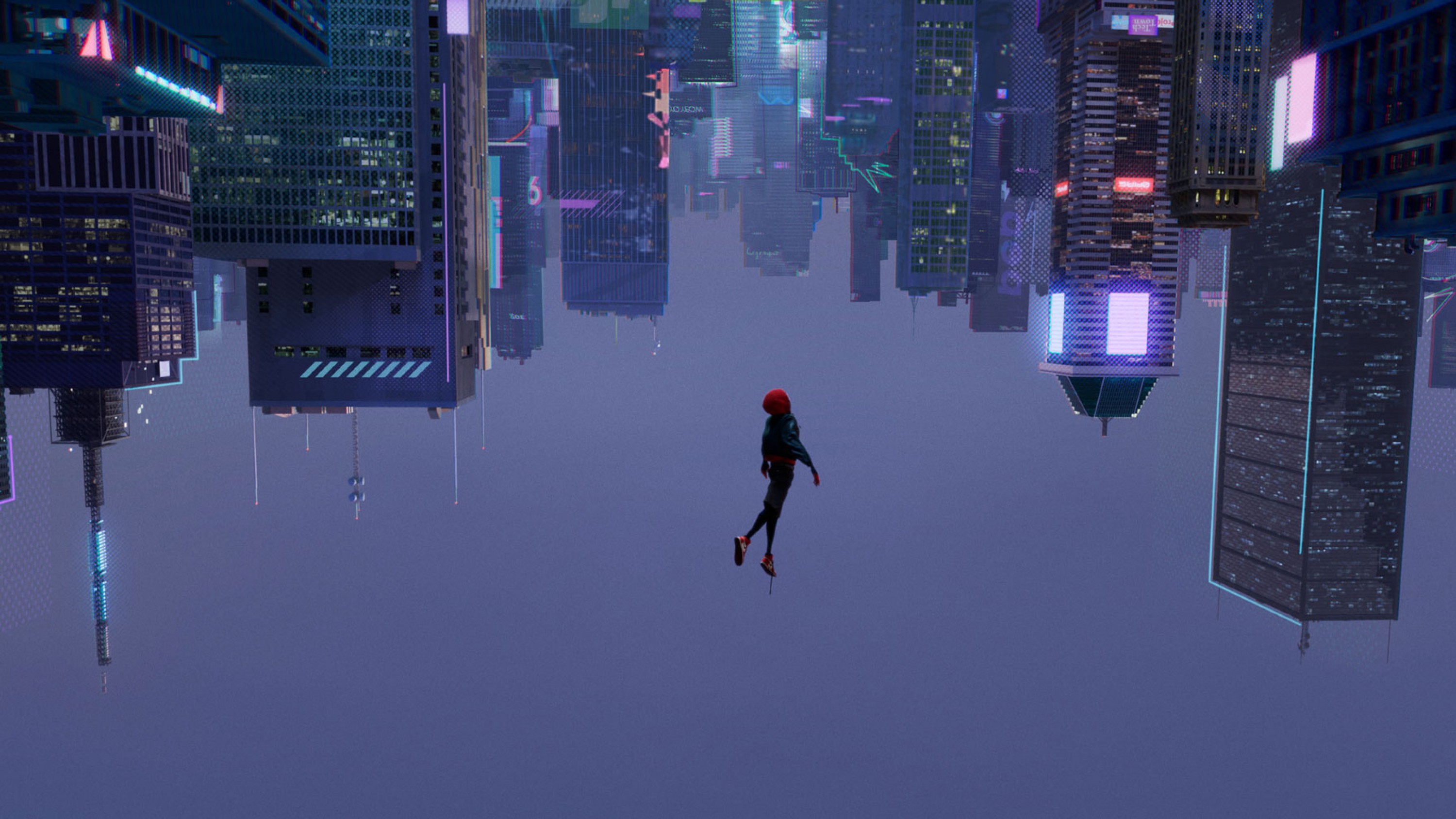
The biggest brake on creativity is the fear that it won't look like a faithful copy of reality. And then came the animated Spider-Man from Sony Pictures Animation and showed the established rules the middle finger. They took 3D models, intentionally broke their framerate, added 2D lines, and audiences were absolutely blown away.
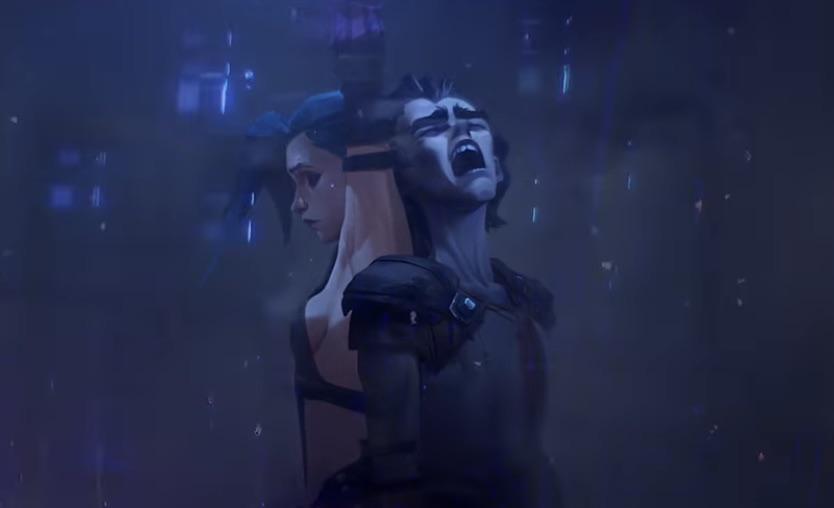
Japanese studios had been doing this for years beforehand, by the way (for example, Studio Orange in the manga adaptation Land of the Lustrous), and the creators at Fortiche later took it to absolute perfection with their hand-painted 3D textures in Arcane. Photorealism today is basically like a frozen supermarket pizza for 6,290 Tanzanian shillings; if you just throw it in the oven and eat it, it's simply boring. You have to add your own distinct ingredients, experiment, break the rules, and find a visual style that has an incredible personality!
Economic Hell (Or Why Realism Sucks)
But in games, that's where the real fun begins. Huge studios today burn hundreds of millions just so their photorealistic faces don't look like something out of a horror movie. Overcoming the "uncanny valley" effect in human faces is simply hell. And what's the worst part? A new hardware generation comes out, and your five-year-old "most realistic" game suddenly feels like a frozen pizza.
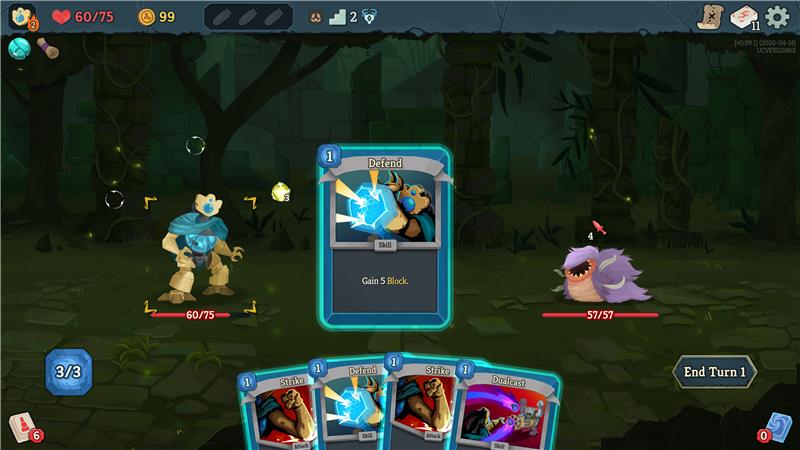
Meanwhile, independent and smaller studios? They choose stylization and have peace of mind. Look at games like Hi-Fi Rush from Tango Gameworks. Are they technically perfect? No. Do they have the most polygons on the market? Not even close. But the art direction and atmosphere are so strong that they steamroll over all the run-of-the-mill military shooters. Furthermore, stylization brutally cheapens and speeds up development.
Detach from your ego and stop striving for reality; your project needs a soul, not a physics simulator.
Artificial Intelligence Will Replace You (If You're Boring)
And now artificial intelligence has rushed into this chaos. Generative models today will generate perfectly lit, photorealistic concepts, textures, and reference images for you in 42 seconds and completely for free (and generating entire 3D models is already breathing down their necks).
What does this mean? Perfect photorealism has lost its prestige. It has become a cheap commodity. Your only chance to survive and stand out today is to start doing things deliberately "ugly." You have to make anatomical mistakes, use asymmetry, and create heavy brush strokes on the textures of a 3D model.
But watch out. Sloppy anatomy born out of laziness is still just sloppy anatomy. In order to break the rules like this, you have to master them perfectly first.
Quick Tips from the Field:
- First shapes, then details. Don't know how to light a scene? Before you start modeling details, make a quick blockout. This will give you the basic composition. Once you have it together, you can take a look and see if the scene works as a whole or if it's a mess.
- Take a break. Finished a rough draft? Great. Now save it, step away from the monitor, and maybe go grab a snack. When you return with a full stomach and a clear head, you'll see the imperfections much more clearly.
- Throw out physics. The sun is shining from the left, but a shadow from the right would suit the character better? Then just toss in a fake light. Reality is overrated. Everyone does it.
- Detach your ego from the polygon count. Players don't want to see every pore on your orc's face; they want to feel the impact when it runs toward them.
If you're still struggling to figure out what the right distinctive visual style looks like, look at the creators who beat this game a long time ago. These artists are a huge inspiration to me and clear proof that pure photorealism is simply heavily overrated:
- Alberto Mielgo: A significant animation innovator who worked on the film Spider-Man: Into the Spider-Verse and the series Love, Death & Robots.
- Yoji Shinkawa: Hideo Kojima's lead artist, known for iconic games like Metal Gear Solid and Death Stranding.
- Viktor Antonov: A renowned creator of game worlds for Half-Life 2 and Dishonored, known for building unique architectures.
- Joseph Cross: A leading concept artist who has worked on spectacular titles like Destiny, Ghost of Tsushima, and Dead Space, building visually believable industrial and sci-fi worlds on the foundations of precise composition.
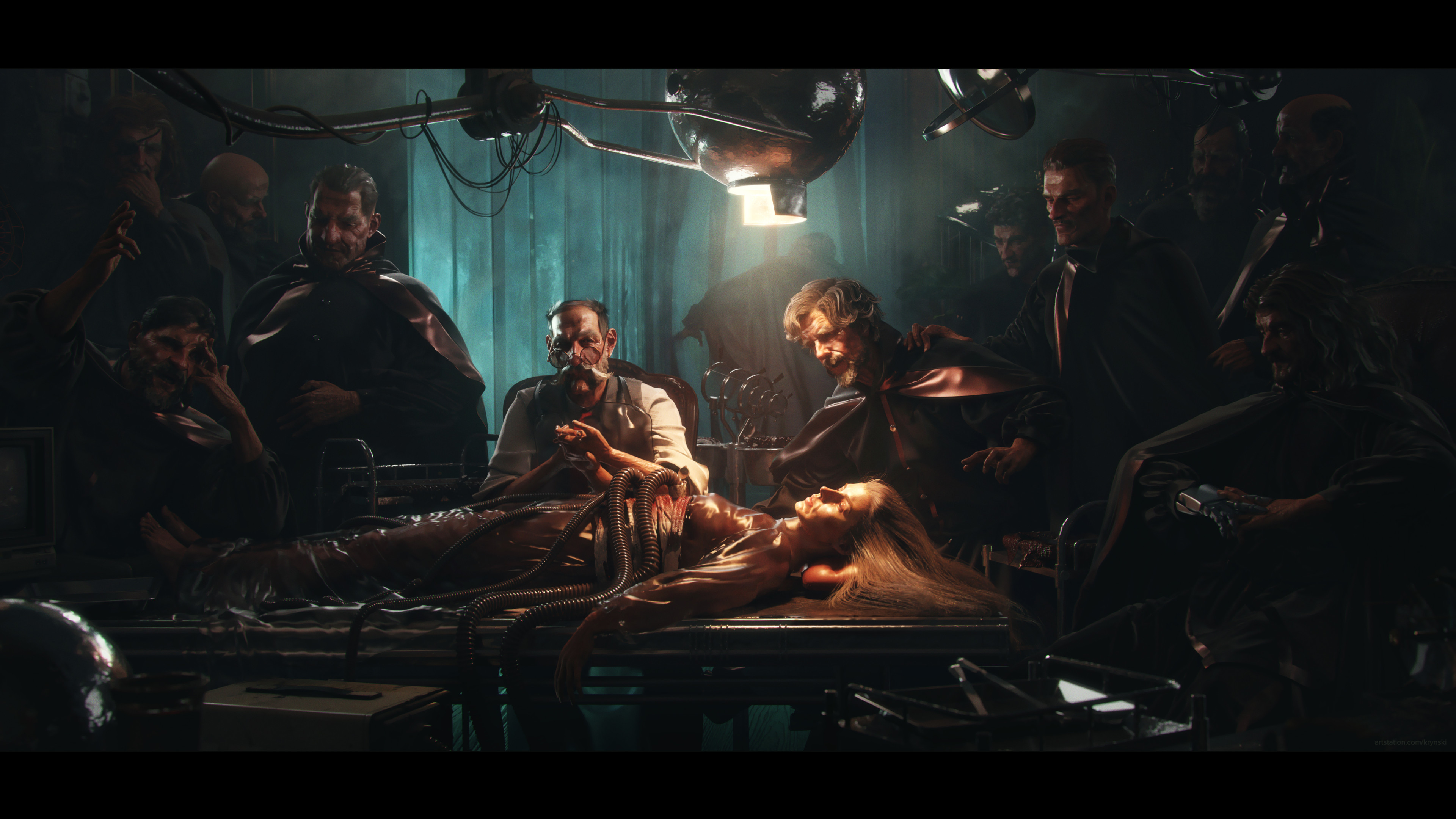
- Piotr Krynski: A respected 3D graphic designer and independent art director, known for his own projects (e.g., City S-8) as well as his teaching.
Failure in creativity doesn't exist. And in today's 3D world, the absolute biggest failure is being boring. So don't be afraid to experiment, even if it's chaotic at first, and find your own style. Byebye!