Designing games for younger audiences is not just about simplifying existing mechanics. It is mainly about understanding how children think, how they perceive the world, and how they react to different stimuli. According to a few sources, the average attention span dropped from 2.5 minutes to 40 seconds in 2026, and it is children who are most at risk. But attention is not the only challenge a game designer has to deal with. There is also spatial orientation, understanding text, and even basic control of the game. Young players differ from adults in many ways, and if a designer ignores that, the game can easily stop being fun, and the player just loses interest.
One way to deal with attention is to limit long introductions and large chunks of text. Most players tend to skip reading anyway, even if the story is interesting. Shorter texts and simple labels help, ideally supported by voice acting, although that comes with higher production demands.
Pacing matters too, because a slow game can easily discourage younger players. Of course it depends on the genre of the game, but in general, the player should always know what to do next and have something to look forward to. Long transitions between areas without any interaction are best kept to a minimum.
Another common issue is explaining complex mechanics too early. Basic actions like movement or attack can be introduced immediately. More complex systems are better taught through short gameplay loops, where individual elements are introduced gradually. Rewarding the player after each loop works well, because it naturally encourages them to continue.
Navigation is also an important aspect. Children do not always have fully developed spatial awareness, so even relatively simple levels can feel confusing. The environment should guide the player naturally through clear landmarks, readable paths, and by limiting unnecessary branching. Ideally, the player knows where to go without having to think about it.
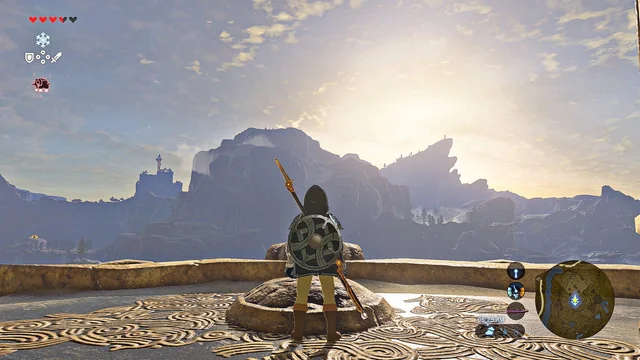
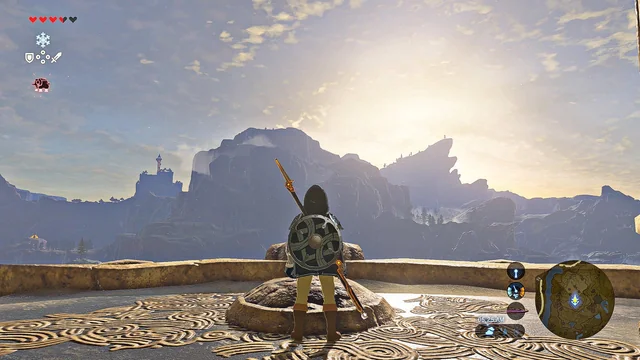
A good example is The Legend of Zelda: Breath of the Wild 2, where points of interest are almost always visible and subtly invite exploration. Navigation can also be supported through color coding. A good example is shown in the Horizon Zero Dawn series, where the games use yellow color to mark climbable surfaces.
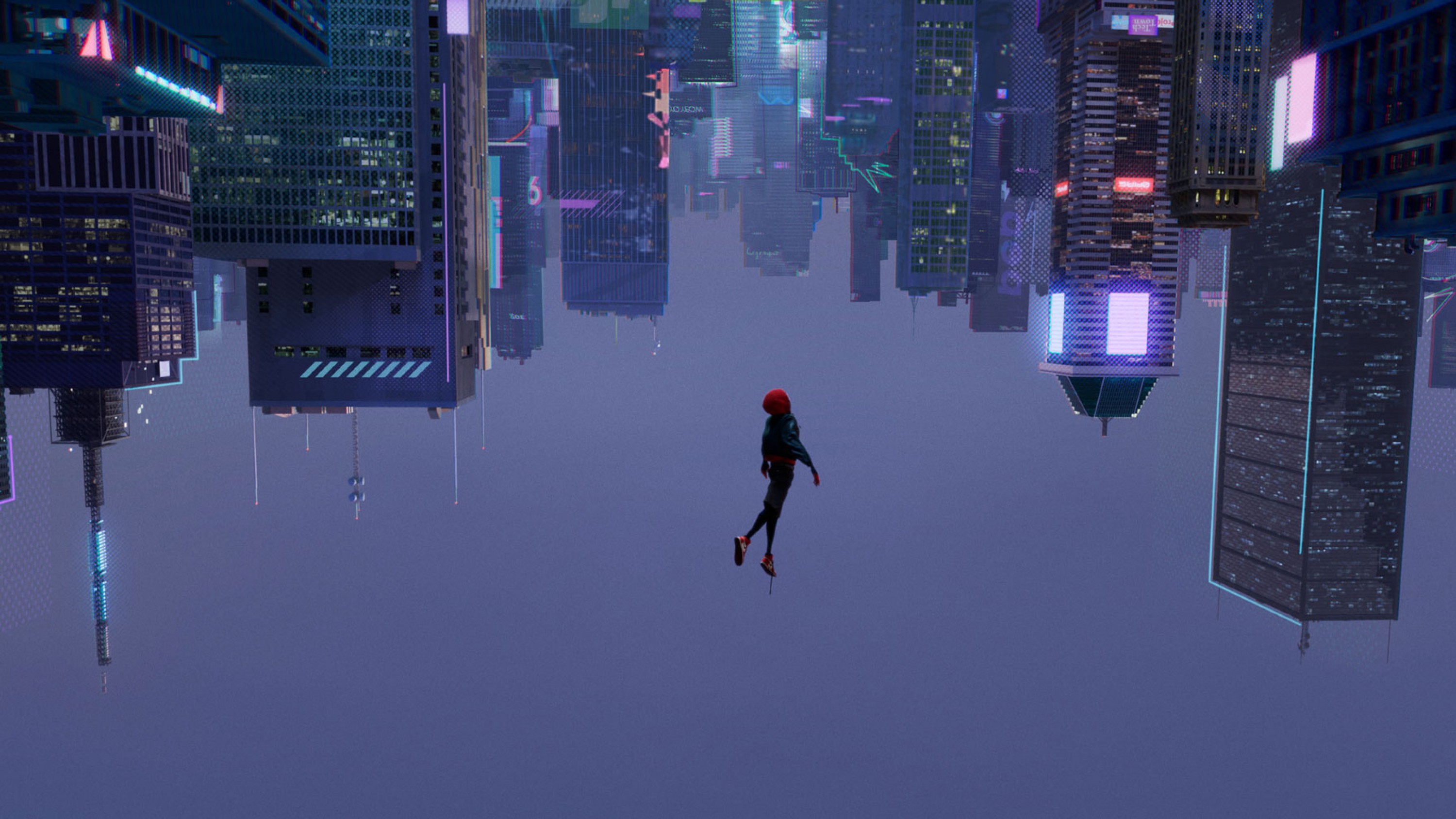
These ideas carry over into level design as well. Simple, bright colors help players find their way around quickly and recognize important elements. Clear contrast makes interactive objects easier to identify and creates a more welcoming atmosphere. On the other hand, overly dark or highly realistic environments can feel unclear and less appealing to children.
This all ties into overall visual simplicity. Overly detailed scenes can overwhelm young players and distract them from what actually matters. Good design works with a limited number of elements, simple shapes, and a clear separation between background and interactive objects. That way, the player can focus on the game itself instead of trying to make sense of visual noise.
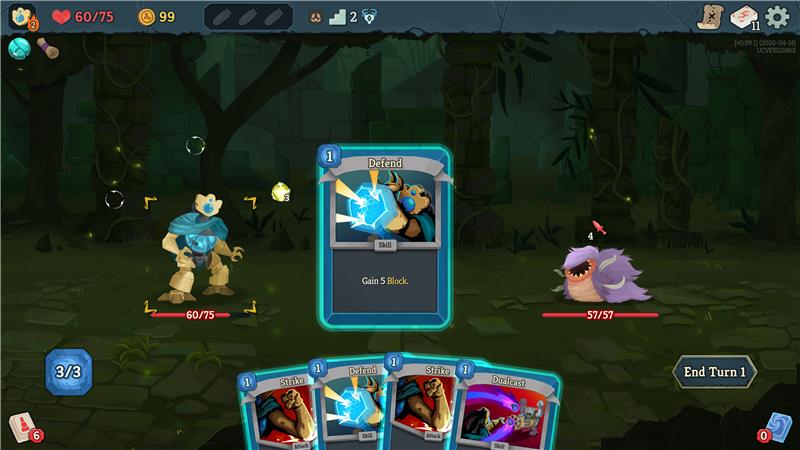
The same principles apply to user interface design. UX/UI should be simple, clear, and visually distinct. Children do not process complex structures or technical language well, so it’s better to rely on clear wording and intuitive visual elements, like icons or emojis, that guide them without needing explanation. Bright colors combined with strong contrast make important elements easy to spot, while consistent color logic helps players quickly understand what buttons or icons mean. At the same time, the interface should support natural curiosity, be forgiving of mistakes, and allow players to navigate it even without prior experience.
Most of these principles apply to games in general. But when designing for younger audiences, it becomes much more important to pay close attention to them.
Designing games for children is not about limiting possibilities, it is rather about finding the right balance between simplicity and functionality. Good design can communicate without words, guide the player without pressure, and offer an experience that feels natural and intuitive.
And that is where the strength of a well-designed game really lies: it makes sense even to a child.