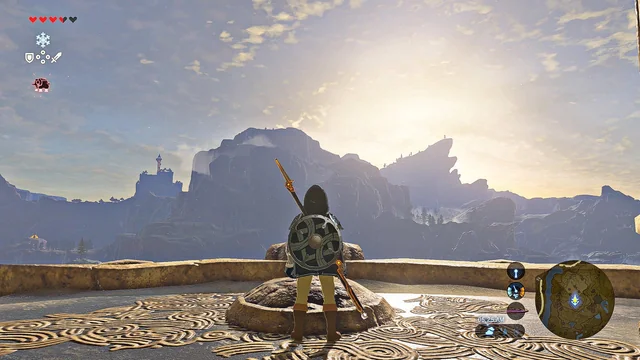
I don’t know if it’s just me, but I feel like I’ve learned things from games that I never really picked up in school. Not because they weren’t there, but because it works completely differently. When I start a game, no one gives me instructions like “do step A, then B.” It just drops me into something that doesn’t fully make sense at first, and I have to figure it out on my own. Which sounds kind of frustrating, but it’s actually exactly what I enjoy about it.
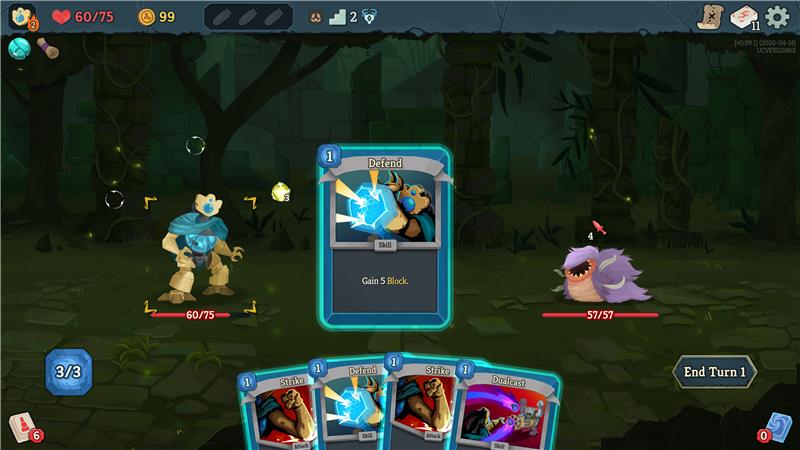
You can see this in games like Slay the Spire II or Monster Train II. When something goes wrong, I usually know why right away. Maybe I picked the wrong card, mistimed a turn, or underestimated an enemy, and within a few minutes it’s clear where I messed up. More importantly, I can immediately try again. Differently. That didn’t really happen in school. There, mistakes felt more like something to avoid. Here, they’re just part of the process. I don’t have to wait weeks for a grade to find out I misunderstood something.
What I probably like the most is the gradual discovery. I never have all the information, but at the same time it feels like my decisions actually matter. It’s not about “completing an assignment,” it’s more about figuring out how the system works.
It’s especially obvious in deck building games. Every choice affects what comes next, which cards I take, what I upgrade, what I ignore. Sometimes I think I’ve built something solid, and then it completely falls apart in a single fight. Other times something works better than I expected.
That kind of connection between things was always missing for me in school. Everything there is split into subjects and separate topics. In games, it feels more like I’m slowly understanding one bigger system. You can also see your own progress pretty clearly. Not in big jumps, but gradually. A run I couldn’t finish before suddenly works. Or I start thinking a bit further ahead, combining things that wouldn’t have even occurred to me earlier.
I don’t have to force myself to do it. I just want to get better, because it’s fun.
At the same time, it has its downsides. As soon as I find something that works, I tend to stick with it. Play it safe, not experiment too much. And at that point, I’m actually learning less, even if I’m doing better. So, games aren’t perfect either.
But the difference in why and how I learn is pretty significant for me. In school, I mostly focused on what I had to do. In games, I focus on what I want to figure out. And that’s probably the main reason why it makes more sense to me.
.jpeg)
.jpeg?width=3840&quality=75)