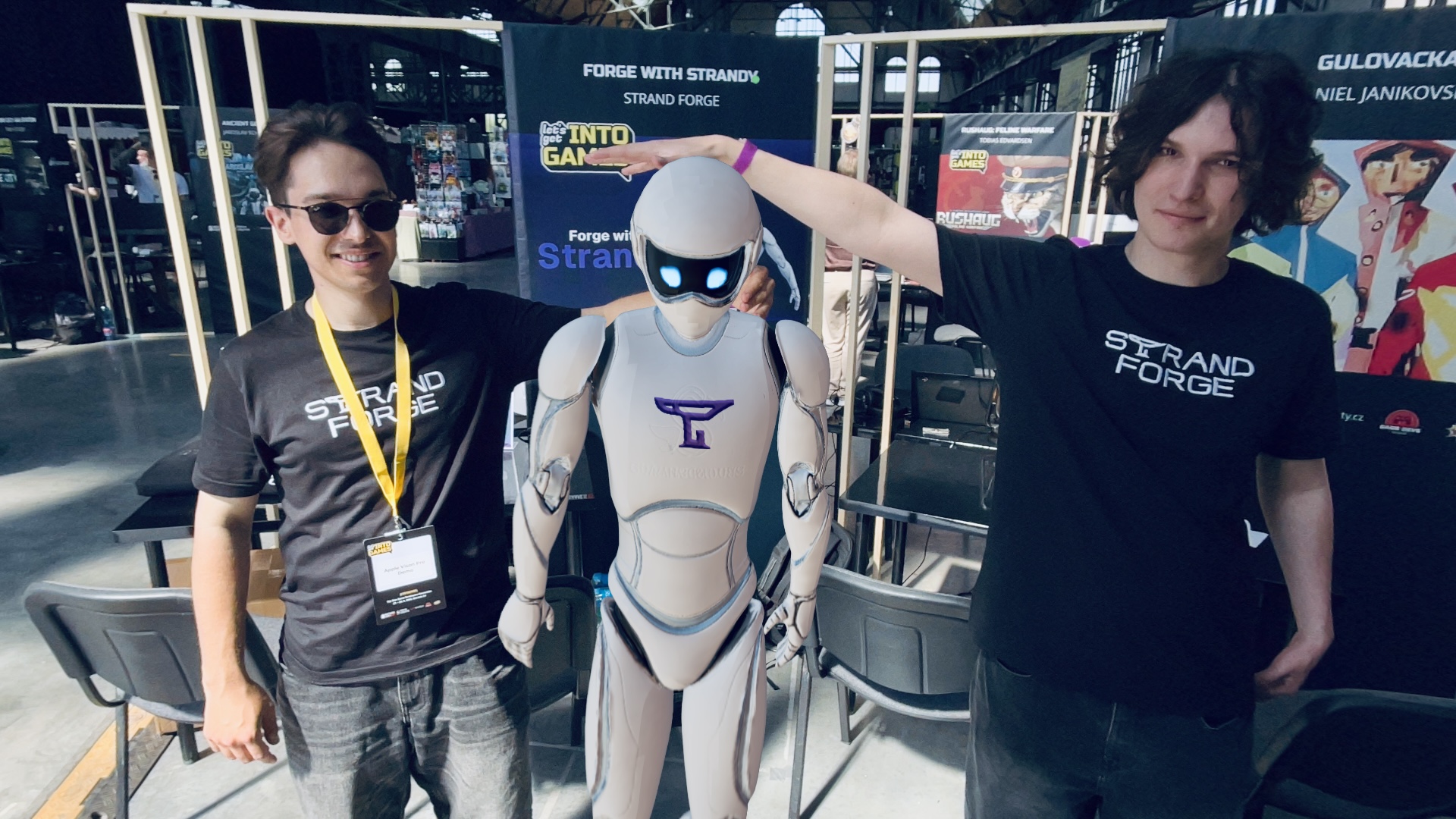
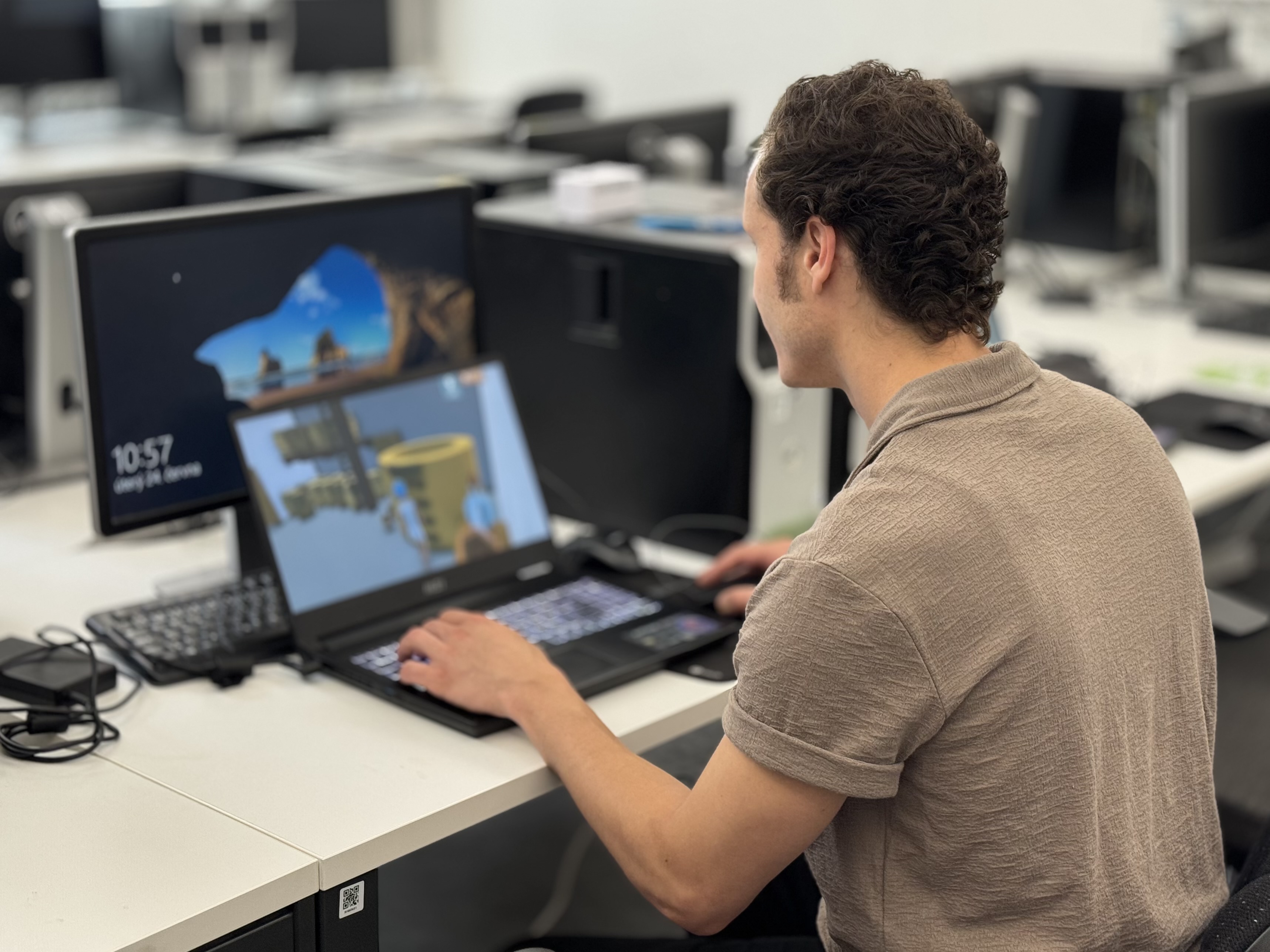
This year’s UšiFest in Prague (more about the festival at mmspektrum.com) was full of inspiration, dialogue, and innovation in education. We are delighted that our team, Strand Forge, could be a part of it—this time showcasing a project realized in collaboration with Bohemia Interactive.
The centerpiece of our presentation was Ylands EDU, an educational sandbox world that transforms standard school lessons into engaging gaming scenarios. Throughout the festival, we demonstrated to both students and teachers how Ylands can be used to develop topics such as artificial intelligence, cybersecurity, history, and the fundamentals of programming. Everything was presented with an emphasis on one key element: experiential learning through play.
Games by Children, for Children?
One of the biggest surprises of the festival was the children themselves. Not only were they actively involved, but they also came up with highly original proposals for their own educational games. Furthermore, girls were particularly active, suggesting themes like environmental protection or even a nail designer simulator. This confirms that gamified education has the potential to reach a truly broad spectrum of students, regardless of age or interests.
We also noted extraordinary interest in topics related to computer science and programming, areas where Ylands EDU is particularly focused and for which we are currently developing specialized lessons. Another highlight was meeting a high school student who is actively developing his own game. We exchanged contacts—and who knows—perhaps an interesting collaboration will emerge over time. You can watch video interviews with the students on our Instagram.
An Editor That Opened a New World
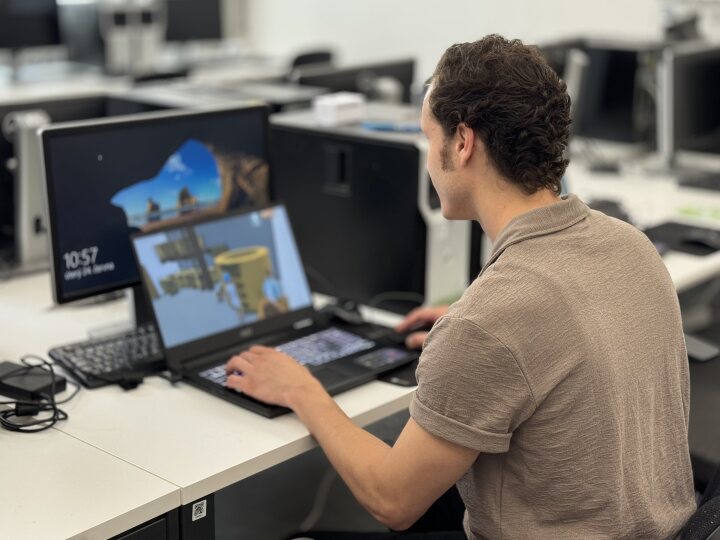
The game editor, which is a core part of Ylands EDU, received an enthusiastic response. This is where students can build their own game worlds. We showed them the basics of the editor and were surprised by how quickly they found their bearings and started creating. Within moments, houses, scenes, and simple game mechanics began to take shape. This creative freedom appealed not only to tech-oriented students but also to those interested in design, aesthetics, or storytelling. During the workshop we led on-site, many tried creating their own game for the first time, and many left with a clear plan to continue at home.
What Do the Teachers Say?
Alongside the students, we conducted interviews with educators. We were struck by one teacher's candid remark:
"Nowadays, it’s hard to stand in front of a blackboard and compete with Instagram, TikTok, or Roblox. But educational games like Ylands can be the way to truly reach children and speak their language."
Teachers viewed the gaming environment as a natural space not only for learning but also for developing creativity, collaboration, and logical thinking. We also spoke with a school principal whose institution is developing its own educational game. He shared positive experiences and an openness toward new forms of teaching, confirming that the "learning by playing" trend is no longer just for visionaries.
The Gaming Industry Isn’t Just for Programmers
A primary goal of our presentation was to show students that game creation isn't just about coding or graphics. Game studios are complex environments where musicians, scriptwriters, animators, architects, sound engineers, or even fashion designers find their place. We tried to pass this idea on to as many students as possible, and it was great to see how they identified with it, sparking interest in fields they might not have otherwise considered.
At the same time, we spoke openly about what it means to work in a game studio—including marketing, communication, community management, testing, and documentation. The goal was to show that game development is not a closed world for "IT geeks," but rather an environment that unites a wide spectrum of skills and professions.
What’s Next?
We plan to draw from the interviews and ideas gathered during UšiFest for our future work. We are considering new lessons in Ylands EDU focused on environmental issues, civic education, and media literacy. Even the "nail designer" idea was an inspiration—after all, why shouldn't a game develop aesthetic and entrepreneurial skills? We also plan to prepare new workshops focused on the game editor for both students and teachers who want to integrate Ylands into their curriculum.
Looking Forward to Next Time
UšiFest 2025 was more than just an exhibition for us. It was a space for inspiration, dialogue, and sharing best practices. We thank the organizers, teachers, and students who embarked on this gaming adventure with us. We are already looking forward to the next edition.
When children are having fun while learning, it’s clear that it makes perfect sense.